
How to Protect and Beautify Exposed Aggregate Concrete
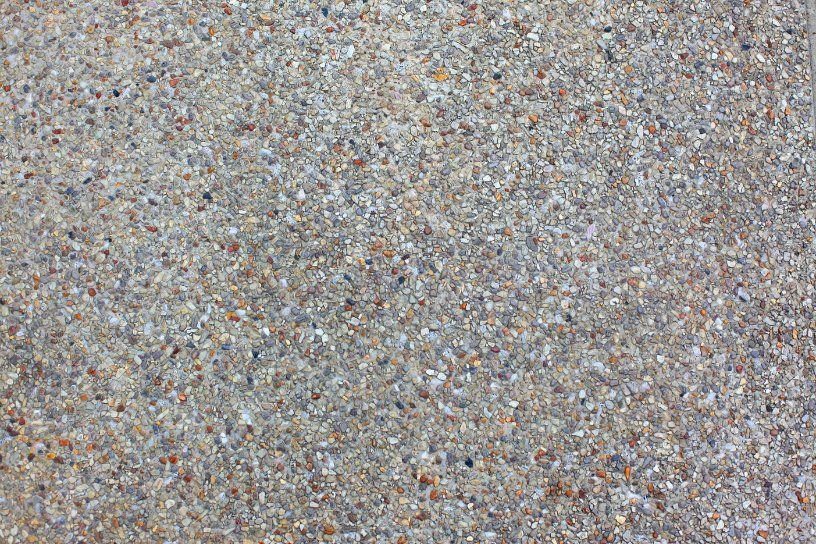
To give your home in Bendigo, Victoria, a fresh new look, follow these simple tips for rejuvenating exposed aggregate concrete. Start by prepping the surface, then apply a sealer and maintain it regularly. By doing so, you can effortlessly restore its original visual appeal.
Preparing the surface for sealing
To ensure a successful sealing process for exposed aggregate concrete, it is crucial to prepare the surface beforehand diligently. Prior to sealing, it is essential to eliminate any dirt, oil, or wax that may be present on the concrete. This meticulous cleaning ensures optimal bonding between the sealer and the concrete surface. In some instances, chemical etching might be necessary to achieve a smooth and seamless finish.
Once the surface has been cleaned, it is recommended to apply the sealer in sections. For this task, utilising a pump-up sprayer is typically preferred. However, if a sprayer is not available, an alternative approach would be to apply the sealer using a short nap roller.
Sealing exposed aggregate concrete enhances its appearance and durability. This process creates a protective shield against salts, heat, and abrasion. Depending on the type of sealer chosen, multiple coats may be necessary.
The chosen sealer should have the capability to repel water and provide protection against harsh sunlight, lawn chemicals, and freeze-thaw cycles. Numerous types of sealers are available for selection, and many individuals opt for a sealer that offers a staining effect. This particular choice can enhance the aggregate's colour. Nonetheless, it is essential to note that over time, this effect may result in the coating yellowing.
Concrete sealers are commonly composed of acrylic resins. Some products may also incorporate film-forming acrylic resins to safeguard the concrete from dusting and damage caused by freezing-thaw cycles. Moreover, these resins have the additional benefit of enhancing the appearance of the aggregate.
When one is ready to apply the sealer, it is crucial to follow the manufacturer's instructions carefully. Using an incorrect product can lead to the sealer crumbling or becoming discolored. Additionally, reading the manufacturer's technical data sheets before beginning is essential. Furthermore, working in small sections is important since attempting to cover a large area in a single coat will prove difficult.
Once the surface is prepared, and the sealer is applied, it is recommended to allow the sealer to dry for a period of one to four hours. For optimal results, it is advisable to let the sealer cure for at least two days before driving or parking on the surface. This precaution ensures that the sealer remains intact and avoids any potential issues.
Applying a sealer to exposed aggregate concrete has several benefits. It increases the lifespan of the concrete while protecting against stains, abrasion, and UV exposure. If you're applying the sealer for the first time, it's advisable to start with a small area and conduct a test.
Some products are specifically designed for exposed aggregate. The most common option is a solvent-based acrylic sealer, while another alternative is an epoxy sealer. The durability of exposed aggregate depends on factors such as climate and traffic levels, with typical lifespans ranging from a few years.
Applying the sealer
If exposed aggregate concrete is present on your property, ensuring its protection with a reliable sealer becomes essential. This step not only maintains its pristine appearance but also safeguards it from the adverse effects of harsh weather conditions and other external elements.
Two main types of sealers are used for concrete: topical and penetrating sealers. Topical sealers provide a shiny appearance to the concrete. They generally consist of acrylic-like resins that are applied directly on the surface. Application methods include using a brush or sprayer.
Penetrating sealers are a beneficial option for surface protection. They can deeply penetrate and secure the aggregate in place. Applying these sealers is simple, requiring minimal maintenance. The suitable choice of sealer depends on factors such as the concrete surface and climate conditions. It's worth noting that once applied, penetrating sealers can provide long-lasting results for several years.
When choosing a concrete sealer for your exposed aggregate concrete, it is essential to select one that offers protection against abrasion and damage. Additionally, make sure the sealer you choose can block ultraviolet rays. UV rays can cause deterioration even in the most durable sealers, so opt for a product specially rated against them. Lastly, consider applying multiple coats to ensure an even and glossy finish.
In order to ensure optimal results, it is important to follow a few steps before applying the sealer to your exposed aggregate. Firstly, it is crucial to thoroughly clean the surface, removing any dirt or grime that may have accumulated. Additionally, allowing the concrete to fully dry for at least one day prior to initiating the sealing process is recommended. For further enhancement, pressure washing the surface can effectively eliminate stubborn stains.
To achieve optimal outcomes, utilising an acrylic sealer is highly recommended. Certain varieties of these products possess a staining effect that enhances the colours within the aggregate material. Nonetheless, it is prudent to refer to the manufacturer's instructions diligently.
Some sealers are formulated to repel water, while others are designed to help prevent mould. If you plan on using your driveway or other exposed-aggregate surfaces, you'll want to seal them regularly. A good sealer can protect your concrete from salts, water, and lawn chemicals. In addition, it can help stop stains and mould growth.
Depending on the type of sealer you use, you may need to allow it to dry for a few hours. You should always follow the product's instructions, which should list the recommended spread rate.
Sealing your driveway is an effective method for maintaining its appearance. While it is not essential to completely renovate your concrete every few years, regularly re-sealing is essential to safeguard against potential damage.
Exposed aggregate concrete possesses a remarkable beauty that has the potential to enhance the value of any home. However, it is crucial to recognise that this type of concrete is susceptible to wear and tear. As time passes, the surface gradually loses its luster and may appear lacklustre. Thankfully, there exist various options for revitalising it. Firstly, removing the old sealer becomes an essential step in the process. Subsequently, you can attend to patching any vulnerable areas that have incurred damage.
Maintaining the surface
Exposed aggregate concrete is one of the most popular types of concrete today. These slabs are a great way to give a walkway or patio a beautiful and striking appearance. They also offer a rugged, non-slip surface that is perfect for wet conditions. However, maintaining exposed aggregate can be challenging. Luckily, there are some steps you can take to keep your home's exposed aggregate looking great for years.
The best way to do this is to seal your exposed aggregate. Sealers can add protection against UV damage and mould growth. You can also apply chemical retarders to vertical surfaces to protect the concrete from future problems.
To get the most out of the sealer, be sure to use a high-quality product. A penetrating sealer is ideal for exposed aggregate. This will help prevent water penetration and allow the concrete to maintain its natural look. If you opt to use a topical/non-penetrating sealer, be sure to clean the area well and check it periodically to ensure the sealer is still intact.
Another great way to keep your concrete nice and shiny is to apply a high gloss sealer. It can also help reduce dust and hot tire pickup. Using a good quality product can save you a lot of hassle in the long run.
One of the most important things to consider when selecting a sealer is the thickness of the coat. A thin coat is going to need more durability and longevity. Your concrete should be sealed every three to four years. Also, make sure to keep your draining system adequately maintained. Doing so will prevent future problems.
For a truly spectacular finish, consider applying decorative concreting to your property. These panels are commonly found in bridges, parking structures, culverts, and other public areas. Not only do they improve the aesthetic appeal of the place, but they also help prevent weeds and additional unwanted growth. There are many options available so that you can choose the best one for your needs.
Some products can be used to re-seal your exposed aggregate. Besides, using a suitable sealer is the best way to avoid crumbling and blemishing your concrete. Whether you decide to use a topical or penetrating sealer, make sure to follow the manufacturer's instructions.
If you need more confidence to do the job yourself, consider hiring a professional. Concreting experts are trained to perform these jobs safely and effectively. Having them come to your property will give you peace of mind. Plus, they'll be able to get the job done on time. Taking the time to find the right company is the best way to get the job done right.
Exposed aggregate concrete is an excellent addition to your property, but you'll need to keep it looking its best. Maintaining this type of concrete requires a little work, but it is well worth the effort.
We hope that this post has helped you learn about the different options for protecting and beautifying exposed aggregate concrete. If you have any questions about the methods mentioned or want exposed aggregate installed on your property, please don't hesitate to call us at
03 4420 4768. We'd love to hear from you!
You might also like

FREE INSTANT QUOTE
**plus free bonus coupon**