
Exposed Aggregate vs. Stamped Concrete: Which is Right for Your Bendigo Home?
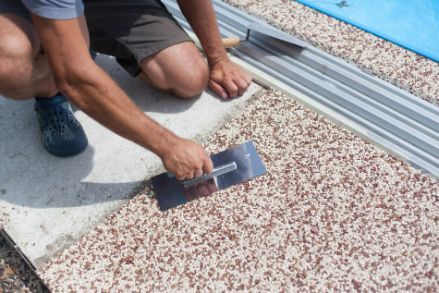
When planning a new driveway, patio, pathway or outdoor entertaining area, many homeowners find themselves choosing between exposed aggregate and stamped concrete. Both finishes offer a significant upgrade over plain concrete, but each has unique advantages depending on your budget, style preferences and long-term maintenance expectations.
For Bendigo homeowners, selecting the right decorative concrete finish is particularly important due to the region's hot summers, occasional heavy rainfall and varying soil conditions. A poor choice can result in unnecessary maintenance, premature wear or a finish that doesn't complement your property's appearance.
In this guide, we'll compare exposed aggregate and stamped concrete side by side, covering appearance, durability, maintenance requirements, costs and suitability for Bendigo properties. By the end, you'll have a clear understanding of which option delivers the best value for your home improvement project.
What Is Exposed Aggregate Concrete?
Exposed aggregate concrete is a decorative concrete finish that reveals the natural stones, pebbles and aggregates embedded within the concrete surface.
During installation, the top layer of cement paste is carefully removed before the concrete fully cures, exposing the decorative aggregate beneath. The result is a textured, attractive finish that combines strength with visual appeal.
Many Bendigo homeowners choose exposed aggregate because it offers:
- Natural stone appearance
- Excellent slip resistance
- Wide range of colours and textures
- Long lifespan
- Low maintenance requirements
The finish works particularly well for driveways, pool surrounds, pathways and outdoor entertaining areas.
What Is Stamped Concrete?
Stamped concrete is a decorative finish created by pressing specialised moulds into freshly poured concrete. These moulds create patterns that mimic materials such as:
- Natural stone
- Slate
- Brick paving
- Cobblestone
- Timber planks
Colouring agents and sealers are often applied to enhance the appearance and create a realistic imitation of premium paving materials.
Stamped concrete is popular among homeowners who want the appearance of natural stone or brick without the higher installation costs associated with those materials.
However, stamped concrete requires proper installation and ongoing maintenance to preserve its decorative appearance.
Benefits of Exposed Aggregate Concrete
Why Homeowners Choose Exposed Aggregate
- Excellent slip resistance
- Highly durable under vehicle traffic
- Resistant to fading
- Minimal maintenance required
- Wide variety of aggregate colours
- Long-lasting decorative appearance
- Suitable for driveways, patios and pool areas
- Adds street appeal and property value
Because the decorative stones are embedded throughout the surface, wear is generally less noticeable over time.
Benefits of Stamped Concrete
Why Homeowners Choose Stamped Concrete
- Replicates expensive paving materials
- Wide range of pattern options
- Custom colour combinations available
- Creates a premium architectural look
- Seamless installation with fewer weeds than pavers
- Can suit modern and traditional homes
Stamped concrete allows homeowners to achieve a luxury appearance while often remaining more affordable than natural stone alternatives.
Exposed Aggregate vs. Stamped Concrete: Key Differences
Appearance
Exposed aggregate delivers a natural stone texture with visible decorative pebbles and aggregates.
Stamped concrete focuses on creating patterned surfaces that imitate other materials such as slate, brick or cobblestone.
Durability
Exposed aggregate generally offers superior durability because the aggregate is part of the concrete itself.
Stamped concrete can be durable but may experience wear on high points of the stamped pattern over many years.
Slip Resistance
Exposed aggregate provides excellent traction due to its textured surface.
Stamped concrete can become slippery when sealed, particularly when wet, unless anti-slip additives are incorporated.
Maintenance
Exposed aggregate typically requires occasional cleaning and resealing.
Stamped concrete usually requires more frequent resealing to maintain colour and protect decorative finishes.
Longevity
Both finishes can last decades when properly installed.
However, exposed aggregate often maintains its appearance longer with less maintenance.
Cost Factors in Bendigo
The cost of both exposed aggregate and stamped concrete varies depending on several factors.
Site Preparation
Properties requiring excavation, levelling or soil stabilisation may incur additional costs.
Many Bendigo properties contain reactive clay soils that can increase preparation requirements.
Concrete Thickness
Driveways typically require thicker concrete than pathways or patios.
The greater the thickness, the more material and labour required.
Decorative Finishes
Premium aggregate blends or custom stamped patterns can increase project costs.
Special colours and sealers may also affect pricing.
Accessibility
Limited access for machinery or concrete delivery can increase labour requirements.
Drainage Requirements
Proper drainage is essential for long-term performance.
Additional drainage systems or grading work may increase overall project costs.
Generally, exposed aggregate often costs slightly more upfront than standard stamped concrete, but the reduced maintenance requirements may provide better long-term value.
Common Problems and Mistakes
Choosing the Cheapest Quote
Low-cost contractors may reduce concrete thickness, reinforcement or preparation work.
This can lead to cracking and premature failure.
Poor Drainage Design
Water pooling can cause surface deterioration and create safety hazards.
Proper drainage planning should always be included in the project.
Incorrect Concrete Thickness
Driveways must be designed to support vehicle loads.
Insufficient thickness may result in cracking and movement.
Poor Sealing Practices
Both exposed aggregate and stamped concrete benefit from quality sealers.
Incorrect sealing can reduce durability and affect appearance.
Using Inexperienced Contractors
Decorative concrete requires specialist knowledge and experience.
Mistakes during installation can be difficult and costly to rectify.
Best Option for Bendigo Properties
For many Bendigo homeowners, exposed aggregate is often the preferred option.
The region's climate and lifestyle make durability and low maintenance important considerations. Exposed aggregate performs exceptionally well in outdoor environments, provides excellent slip resistance and retains its appearance for many years.
Stamped concrete remains an excellent choice for homeowners seeking a specific architectural style or decorative pattern that complements their property's design.
If your priority is longevity, minimal maintenance and strong street appeal, exposed aggregate is often the better investment.
If your priority is achieving a unique decorative appearance that resembles natural stone or brick, stamped concrete may be the ideal solution.
Why Choose Bendigo Concreters
Choosing the right contractor is just as important as choosing the right finish.
At Bendigo Concreters, we provide:
- Extensive local experience
- Fully trained and skilled concreting team
- Free no-obligation quotes
- High-quality materials and workmanship
- Residential and commercial expertise
- Decorative concrete specialists
- Competitive pricing
- Workmanship warranty
Our team helps homeowners select the best concrete solution for their property, budget and long-term goals.
Frequently Asked Questions
Is exposed aggregate more expensive than stamped concrete?
In many cases, exposed aggregate has a slightly higher initial cost, but lower maintenance requirements can make it more cost-effective over time.
Which option lasts longer?
Both can last decades when installed correctly, but exposed aggregate generally maintains its appearance with less ongoing maintenance.
Is stamped concrete slippery?
It can become slippery when sealed. Anti-slip additives can help improve traction.
Can decorative concrete crack?
All concrete can crack under certain conditions. Proper preparation, reinforcement and expansion joints significantly reduce the risk.
How often should decorative concrete be resealed?
Most decorative concrete surfaces benefit from resealing every few years, depending on traffic levels and weather exposure.
Do you service areas outside Bendigo?
Yes. We provide concreting services throughout Bendigo and surrounding suburbs.
Conclusion
When comparing exposed aggregate vs stamped concrete, both options offer excellent visual appeal and long-term performance. The best choice depends on your budget, maintenance expectations and desired appearance. For many homeowners, exposed aggregate provides the ideal balance of durability, safety and aesthetics, making it one of the most popular decorative concrete options in Bendigo.
Bendigo Concreters provides professional concrete driveways, slabs, retaining walls, polished concrete and exposed aggregate installations throughout Bendigo and surrounding suburbs.
Contact our team today at
03 4420 4768 for a free quote and expert advice on the best decorative concrete solution for your property.
You might also like
FREE INSTANT QUOTE
**plus free bonus coupon**